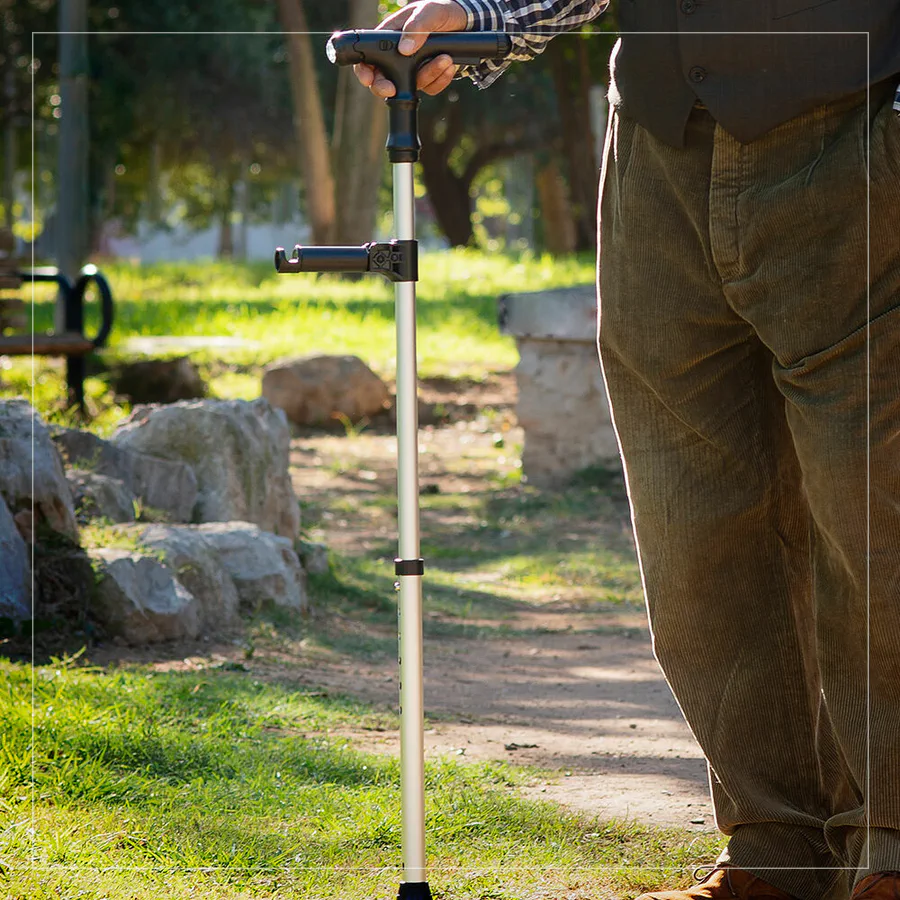
Forearm Crutches
Among forearm crutches, small differences in size, weight and finish decide which option suits you. Think about whether it is for everyday use or special occasions, as that changes which details count. If you are replacing an old one, its measurements give you a ready-made starting point.
Related: Walking Aids

Not sure this is the right type?
Comparing across the family is often the clearest way to confirm the right type.
How to choose
- Measure first and compare the stated dimensions, not the size name.
- Compare two or three close options side by side on the same points.
- Check the care instructions and make sure they suit your routine.
- When replacing an old one, use its measurements as your starting point.
Frequently asked questions
Which material should I choose for forearm crutches?
Choose the material of forearm crutches for feel, weight and care: some materials need regular attention, others very little, so match it to the upkeep you are happy with.
Why do sizes of forearm crutches vary between makers?
There is no shared size standard for forearm crutches across makers, so the same size name can mean different measurements; check the stated dimensions instead.
What are the alternatives to forearm crutches?
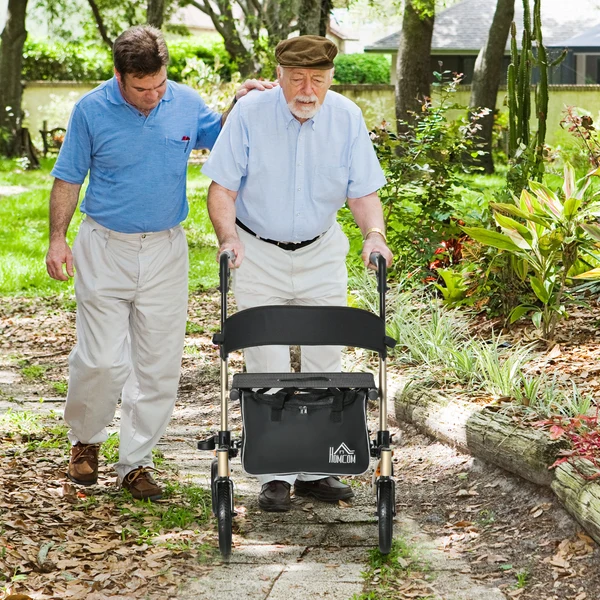
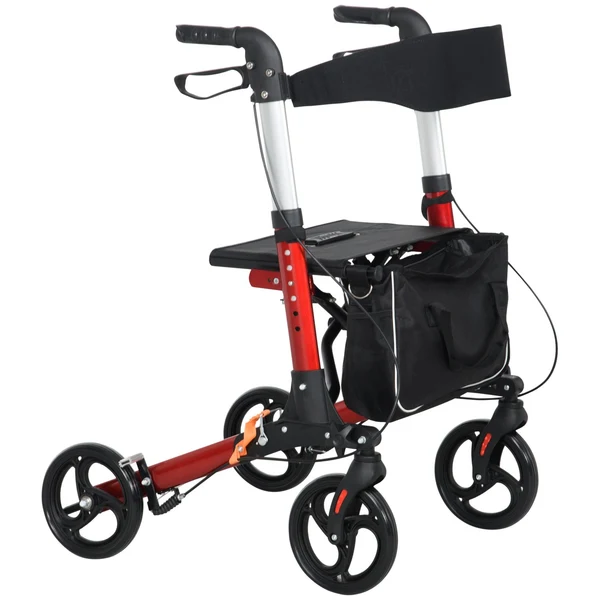
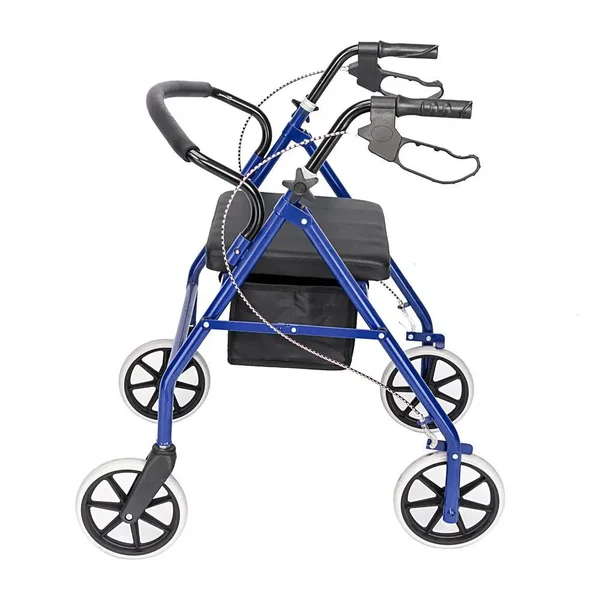
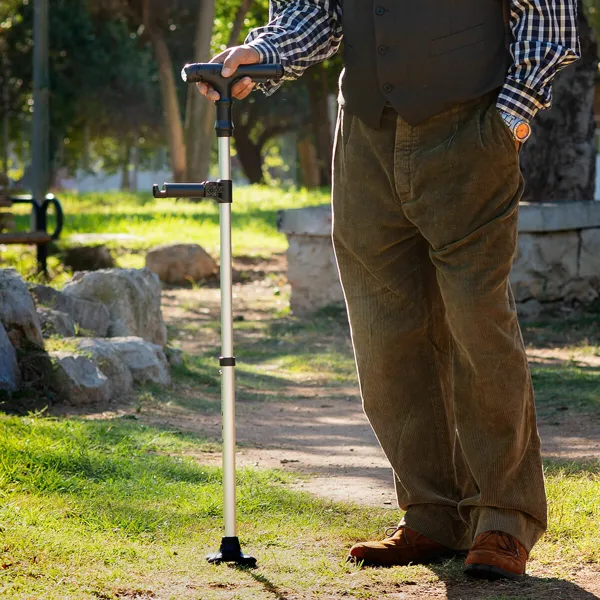
If forearm crutches might not suit your needs, compare the closest alternatives on size, material and use: Walking Sticks, Rollator Walkers and Walking Frames.
What matters when replacing old forearm crutches?
When replacing forearm crutches, start from the measurements of what you had and keep what worked, changing only the material or detail that let you down.